
|
If you need a semi solid or solid stem wheat to combat sawfly, we have the following varieties. For CWRS, CDC Adamant VB had been the main CWRS with a semi solid stem but CDC Landmark VB is also a semi solid. Keep in mind because they are midge tolerant about 10% of the variety is a refuge variety and is a hollow stem. For durum that has a solid stem we like AAC Grainland for the dryer areas. One of its parent lines is AC Transcend, a popular variety in the past. For areas with more moisture (over 50 bu yield potential) we like AAC Stronghold. Stronghold does not do as well under very dry conditions. 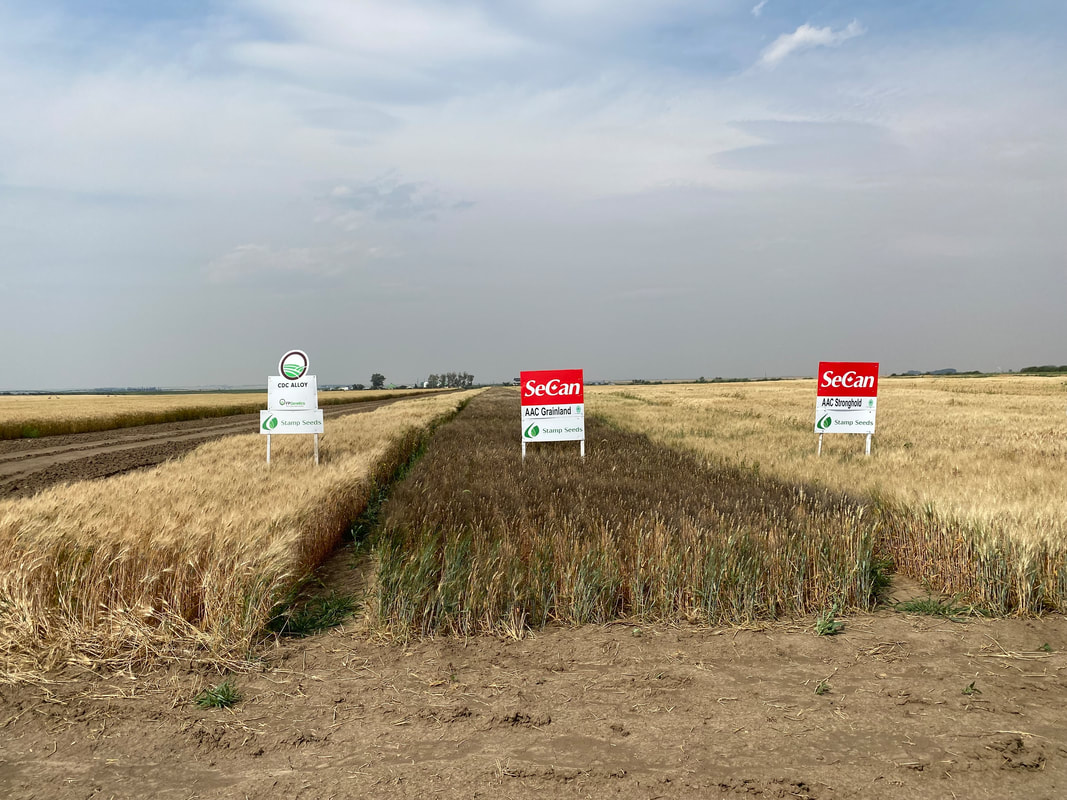 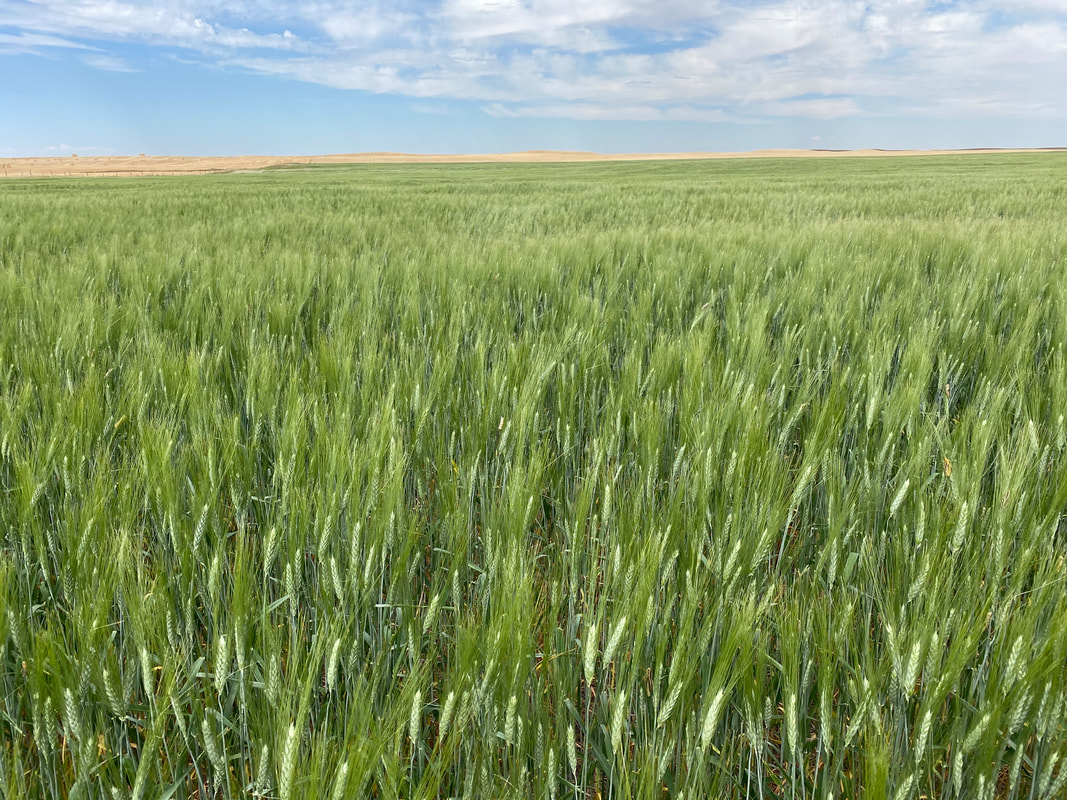
0 Comments
Below is a PDF of the Guide to Pest Wireworms in Canadian Praire Provinces. It has information on types of wireworms, control methods, monitoring, life cycles and wire worm research: 
As temperatures fluctuate and trend lower, check your bins for changes as moisture migration down walls and lower in the bin can happen when the outsides cool: https://www.alberta.ca/agri-news-check-those-bins
We have also seen dry pulse crops form a cap on top of the bin. Air bins are less of a problem so it is more of a non air bin issue, but make sure you check before shipping grain! The CMBTC (Canadian Malt Balrey Technical Centre) has updated their trends and recommendations for malt barley varieties recently. Demand is growing for AAC Connect, CDC Churchill and CDC Fraser, details here: https://cmbtc.com/wp-content/uploads/2023/11/CMBTC-2024-25-Malting-Barley-Recommended-List-final-wc.pd 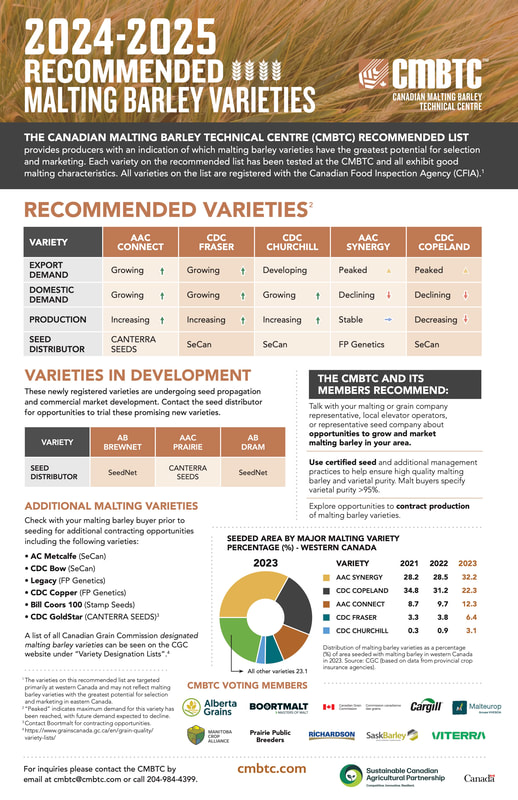 Virtual Agronomy Update 2024
Timely agronomic information for farmers and agronomists January 9th &10th, 2024 https://www.agronomyupdate.ca/au2024/ Irrigated Crop Production Update 2024. Thursday, January 18th at the Lethbridge Agri-Food Hub & Trade Centre Sign up: https://give.lethbridgecollege.ca/event/irrigated-crop-production-update-2024/e519629 Mustard Variety & Agronomy Zoom Event Recording Recording of our mustard event: re-watch our mustard zoom event on mustard varieties and agronomy tips and tricks: https://youtu.be/GvGiN75ybjc?si=Uma415DDhl4FMaEH Last week I was in China with Pulse Canada representing Alberta Pulse Growers Commission & Pulse Canada. The main goals of the trip was to:
Vermicelli noodles we buy in Canada come from Canadian peas and part of that success can be traced back to pulse groups! This has lead to it also becoming a big protein fractionation market area as well. We participated in a grain corn trial south of Taber this season. It was planted on May 18th, 2023 and was harvested on November 21st, 2023. Each plot was 6 rows at 22 inch spacing. Total size of all plots was .38 acres. TH6278 VT2P won the trial! TH6278 VT2P is a great standing, consistent variety from Thunder Seed. It is a 78 day or 2225 CHU variety that is suited for most areas of Southern Alberta. Thanks to TFS Expanse for putting on the trial! Seed pricing is available, contact Blair at blair@stampseeds.com or can call or text him at 403-634-4349 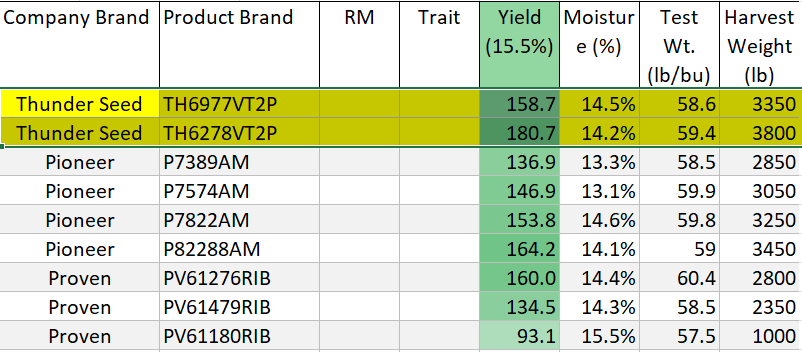 Blair had the pleasure of being joined by Rick Mitzel, CEO of Mustard 21. The link below is the zoom meeting! Any questions, please reach out to Blair Balog at blair@stampseeds.com or 403-634-4349 Forage Sorghum (GW- 2120) was seeded after hybrid fall rye silage mid June and then swathed once frost came in late October 2023. More info on this variety here: Forage Sorghum 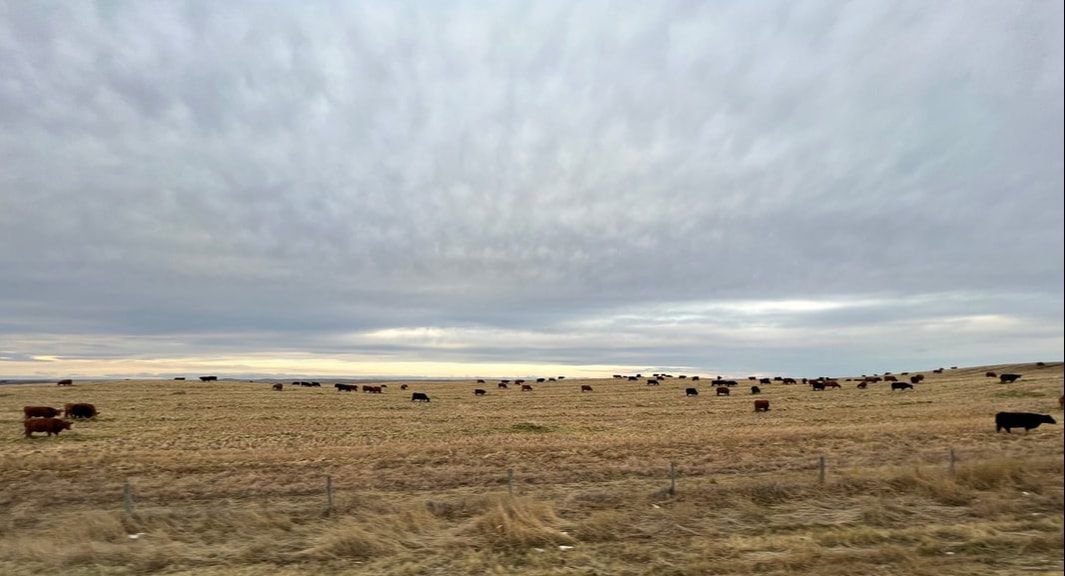 I have costs & net returns vs CWRS on irrigation and dryland as of Nov 4 2023. Take a look and see if my estimates make sense! 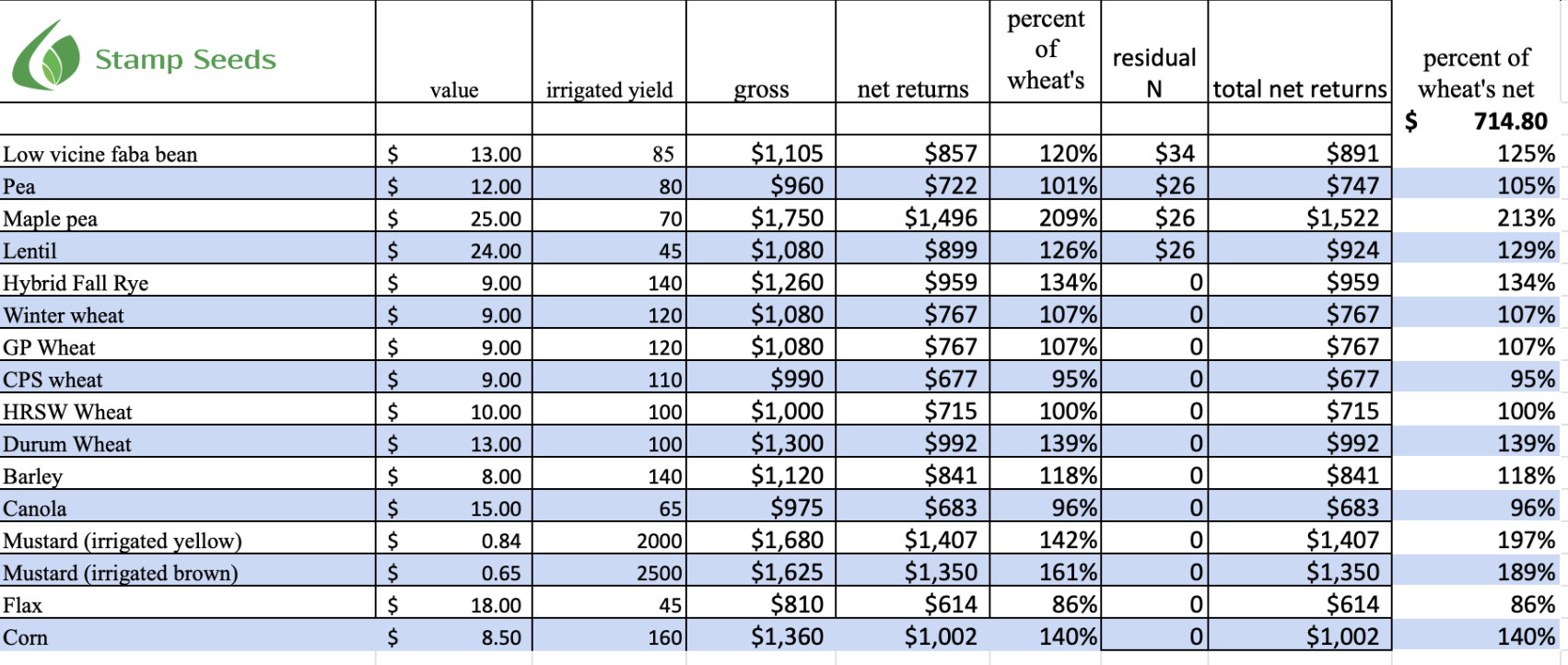 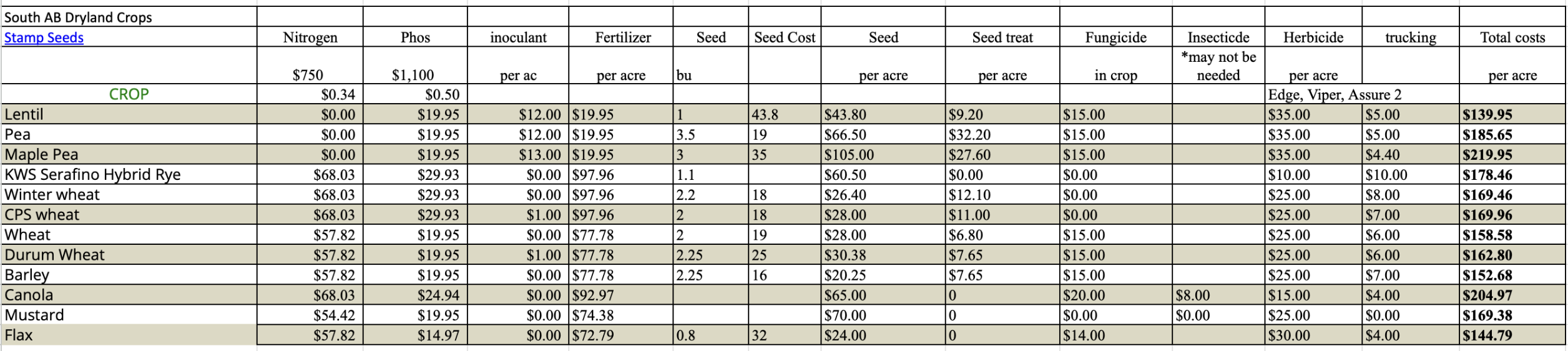 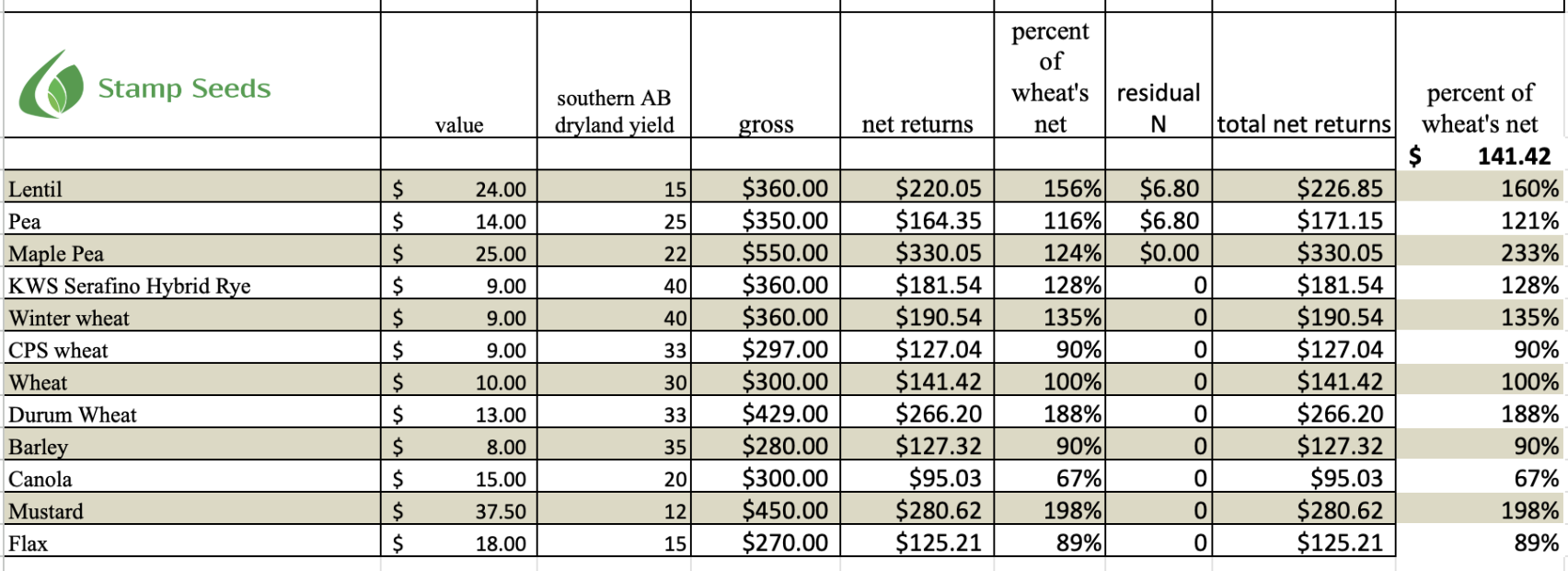 Les Henry has an interesting article on slough rings: https://www.grainews.ca/columns/les-henry-sloughs-and-bathtub-salt-rings/
Drew Lerner writes about the risk of a global drought: https://www.bakingbusiness.com/articles/59613-potential-for-world-drought-looms  Interesting post on employees & hiring and ways to open farms up to new ideas: https://farmercoach.ca/the-ironic-truth/
A recording of our corn event is posted here: https://youtu.be/gFESISV5QC8?si=03NRhe8xIKVOgb1k Corn Sales: https://www.stampseeds.com/corn.html  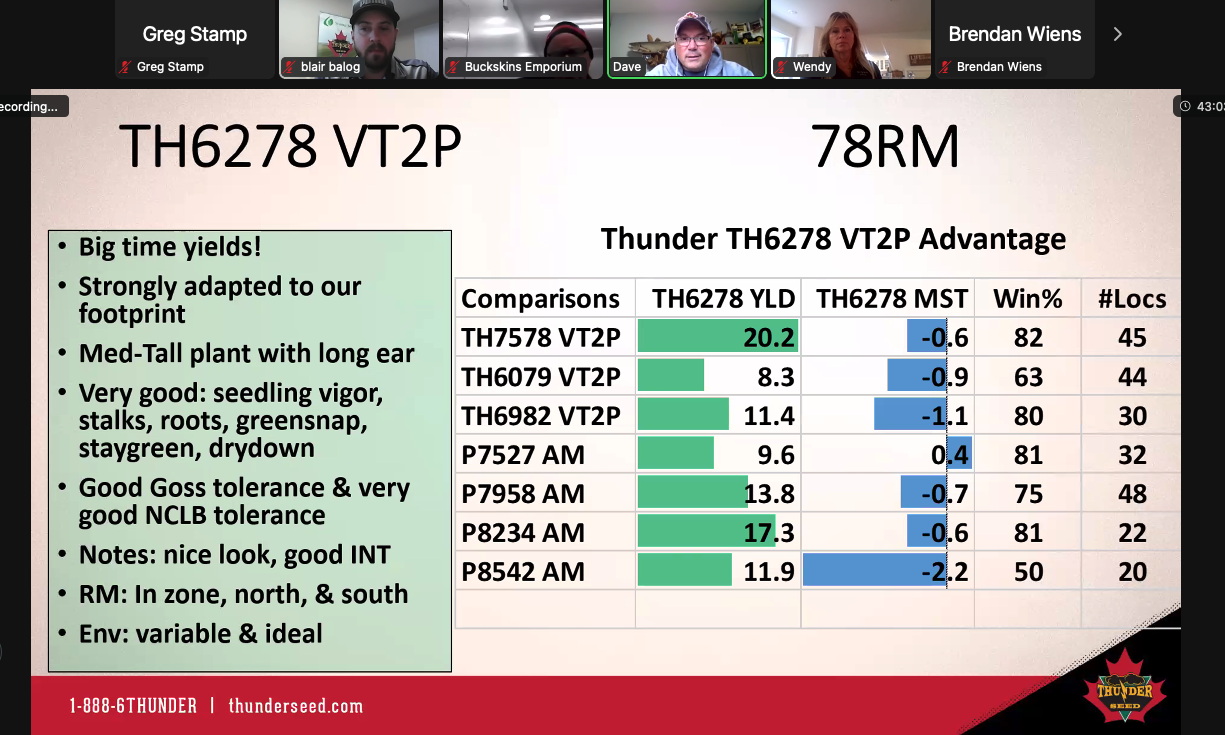 Article on what's new in pulses for 2024: https://www.grainews.ca/features/pulse-crop-varieties-for-2024/
This article on the benefits of a pea-cereal intercrop for forage production included nitrogen (N) fixation and transfer of fixed N from the pea to the cereal component while maintaining dry matter yields equivalent to a cereal monocrop. I would think a faba bean may be as good or better as it continues to fix N past flowering and is not impacted by the same root diseases as peas. https://canadianagronomist.ca/pea-cereal-intercrop-has-advantages-for-forage-production/
General seed prepay discounts will be December 15th 2023 - money must be received by Dec 31st. Mail has been very slow so please add us as a payee in your online banking (details will be on your invoice) rather than pay by cheque. 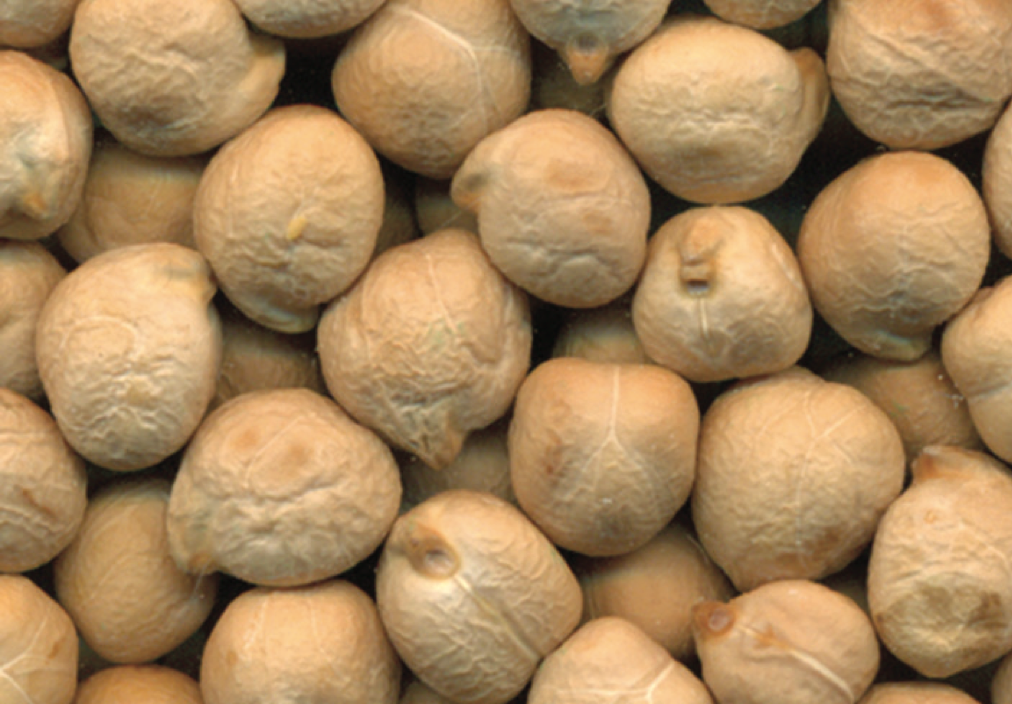 Join Blair Balog & Rick Mitzel of Mustard 21 on Tuesday November 14th at 9 am on Zoom as they go over the different varieties of mustard as well as agronomy tips and tricks that will help you grow mustard.
Topic: Mustard Variety & Agronomy Event Time: Tuesday Nov 14, 2023 09:00 AM Edmonton Join Zoom Meeting https://us06web.zoom.us/j/87572037917?pwd=ZYdBh2TQzY9aorpuxN76j67j9chLMD.1 Meeting ID: 875 7203 7917 Passcode: 436657 One tap mobile +19292056099,,87572037917#,,,,*436657# US (New York) +12532050468,,87572037917#,,,,*436657# US Meeting ID: 875 7203 7917 Passcode: 436657 Find your local number: https://us06web.zoom.us/u/kEIRgk7jP Find Blair and Greg in the SeedNet booth all 3 days at Agri-Trade in Red Deer and come chat seed!  Book the new AAC Schrader Durum by December 15th 2023 to be entered to be entered into win this Chilly Moose cooler from FP Genetics. AAC Schrader Durum is the first I rated durum for FHB so it brings great fusarium protection with top yields. 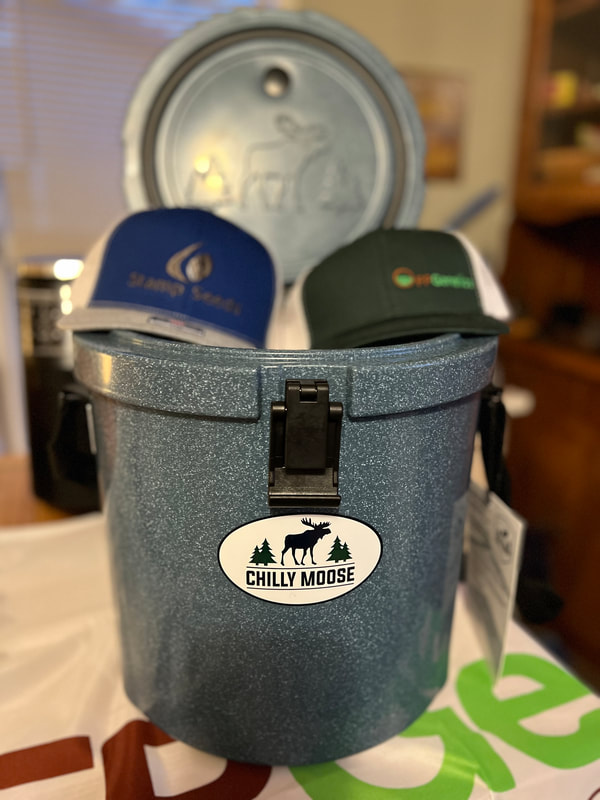 I found this blog post from Farmer Coach interesting relating to transition and succession in agriculture: https://farmercoach.ca/family-ties/
Here is an interesting article on drought hardy fruits:
https://geneticliteracyproject.org/2023/10/12/hot-weather-cherries-drought-resistant-melons-here-are-8-new-climate-hardy-fruits-and-veggies-on-the-horizon Will Durum rally again this season? Read this article here for more information: https://www.dtnpf.com/agriculture/web/ag/blogs/canada-markets/blog-post/2023/10/20/bullish-bearish-data-igcs-durum (recently after this article was published Italy has experienced dry conditions leading up to seeding season) 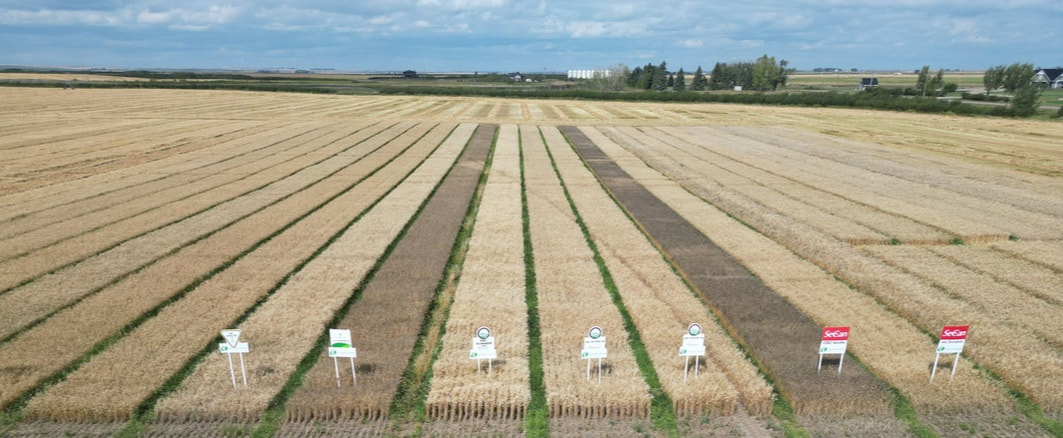
I joined SaskWheat to talk about rye agronomy and trends in Western Canada, listen to the 50 min episode on Spotify here: https://open.spotify.com/episode/7IZObOkRAFQ1kZJaWiIH50?si=U5xjrQ70Qgu2RgLpKX3ckQ
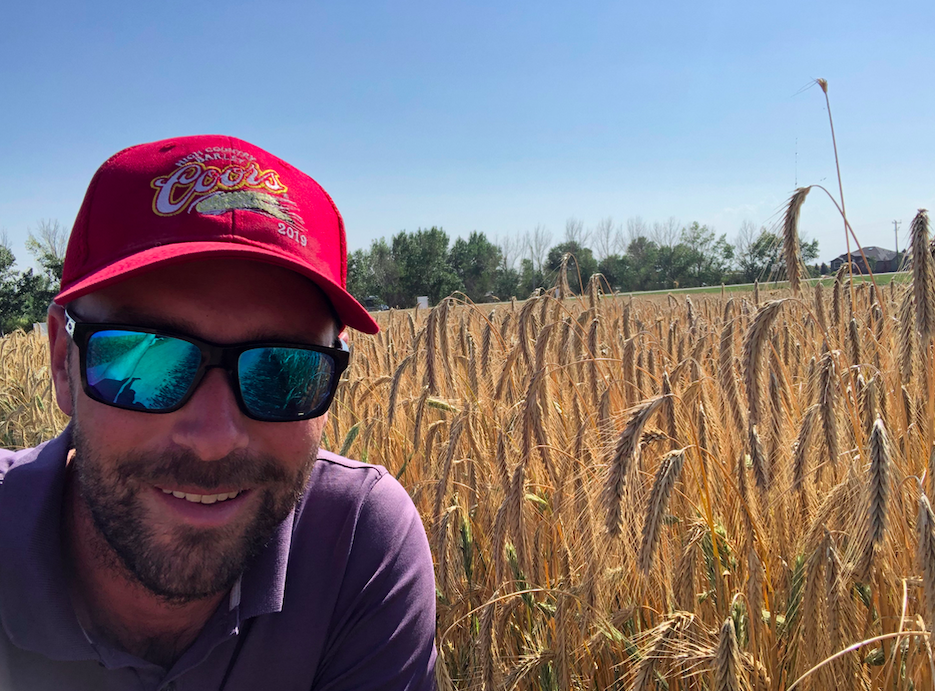
We have decided to switch from AAC Chrome to AAC Carver for seed coat breakage reasons. We struggled maintaining germination on Chrome and it was long season. AAC Carver is early season, stands and yields well. CDC Hickie is another new pea option: https://www.stampseeds.com/yellow---hickie-pea.html or we do have some inventory of CDC Lewochko as well.  |
AuthorsBlair Balog - Seed Specialist at Stamp Seeds Archives
April 2024
Categories |
||||
 RSS Feed